

Ventilation System for School – Top Ventilation Products for Classrooms
A comprehensive Ventilation System for School helps manage outdoor-air supply, exhaust ventilation, ducted air movement, carbon dioxide dilution, filtration, and air distribution according to the function of each classroom, assembly hall, laboratory, indoor sports facility, or cafeteria. The appropriate setup depends on student occupancy, airflow requirements, static pressure, and the building layout.
INTELLIFAN provides complete School Ventilation Solutions and high-performance Ventilation Products for School properties that integrate Fresh Air Ventilation Systems, Energy Recovery Ventilators (ERV), Inline Duct Fans, Exhaust Fans, BLDC Ceiling Fans, and IAQ Monitors for classrooms, libraries, science labs, school auditoriums, and administrative zones.
Request Technical Consultation
Get recommendations and project-specific technical evaluation:
What Is a School Ventilation System?
A school ventilation system is an engineered arrangement of equipment, ductwork, and controls designed to introduce filtered outdoor air, dilute carbon dioxide (CO₂) levels in densely occupied classrooms, distribute clean air evenly, and remove stale air, odors, and airborne pollutants. It operates to ensure student alertness, health, and compliance with indoor air quality benchmarks in educational institutions.
A comprehensive school ventilation setup performs several essential functions:
- Outdoor-air supply: Continuously introduces filtered fresh outdoor air according to per-student ventilation rates and classroom occupancy standards.
- CO₂ dilution & monitoring: Keeps carbon dioxide accumulation under control to prevent lethargy, drowsiness, and reduced concentration among students.
- Energy recovery ventilation: Exchanges sensible and latent heat between incoming outdoor air and conditioned exhaust air to minimize heating and cooling operating loads.
- Ducted air movement: Overcomes system resistance across long corridor runs, multi-stage particulate filters, and classroom ceiling diffusers using high-static inline duct fans.
- Exhaust ventilation: Dedicated extraction of chemical fumes from science laboratories, moisture from school washrooms, and cooking steam from cafeterias.
- Air distribution & circulation: Keeps air mixed uniformly across large assembly halls and gymnasiums without causing disruptive drafts.
- Environmental tracking: Continuously monitors indoor CO₂, PM2.5 levels, temperature, and humidity to verify ventilation performance.
These functions are related but not interchangeable. For instance, recirculating indoor air in a crowded classroom does not lower CO₂ levels or provide fresh oxygen, and standard window ventilation is often insufficient during extreme weather or high ambient pollution.
Best Air Ventilation Systems for School by INTELLIFAN
The Best Ventilation System for School buildings depends on several factors, including zone-specific educational requirements, student seating density, laboratory hood extraction, required airflow rates, ductwork layout, static pressure, and existing building architecture.
INTELLIFAN provides complete educational ventilation products and solutions combining fresh-air supply, ERVs, ducted air movement, heavy exhaust, smart air circulation, and indoor air quality monitoring tailored for modern schools and universities.
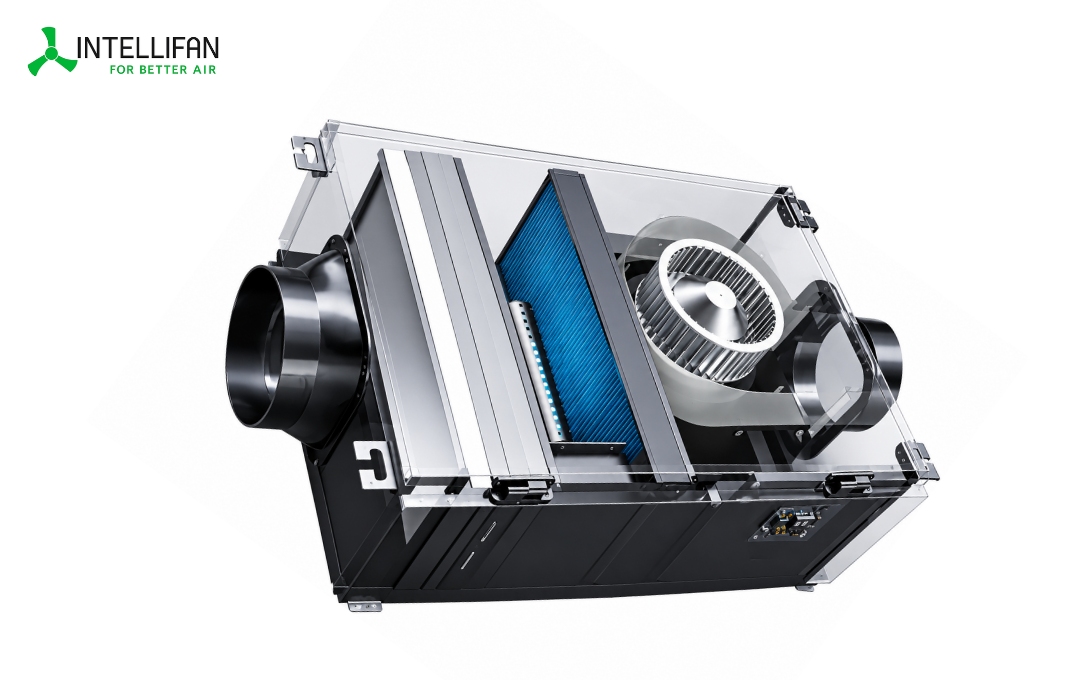
Fresh Air System for School
A Fresh Air System for School introduces controlled outdoor air into classrooms and lecture halls, ensuring continuous oxygen replenishment and optimal student concentration.
Key Benefits:
- Controlled outdoor fresh-air supply
- Multi-stage particulate & dust filtration
- Effective CO₂ dilution in classrooms
- Enhances student alertness & well-being
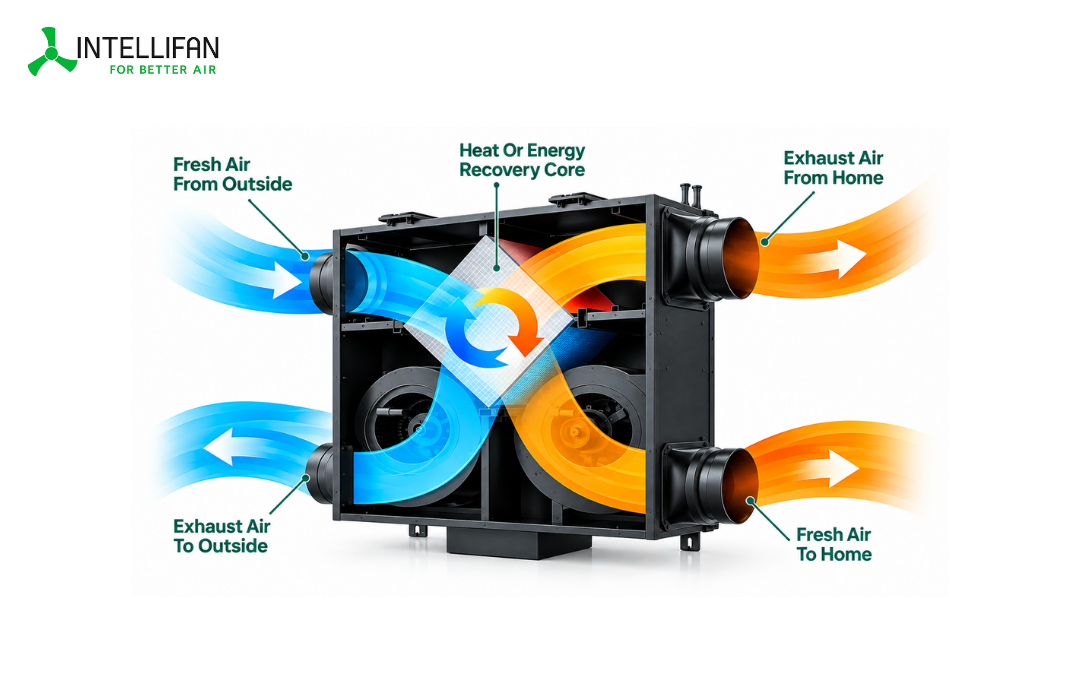
Energy Recovery Ventilator (ERV) for School
An ERV balances continuous fresh air exchange with temperature and humidity recovery, substantially lowering air conditioning or heating loads across air-conditioned school buildings.
Key Benefits:
- Balanced supply and exhaust airflow
- Latent and sensible heat exchange
- Reduces institutional HVAC operating costs
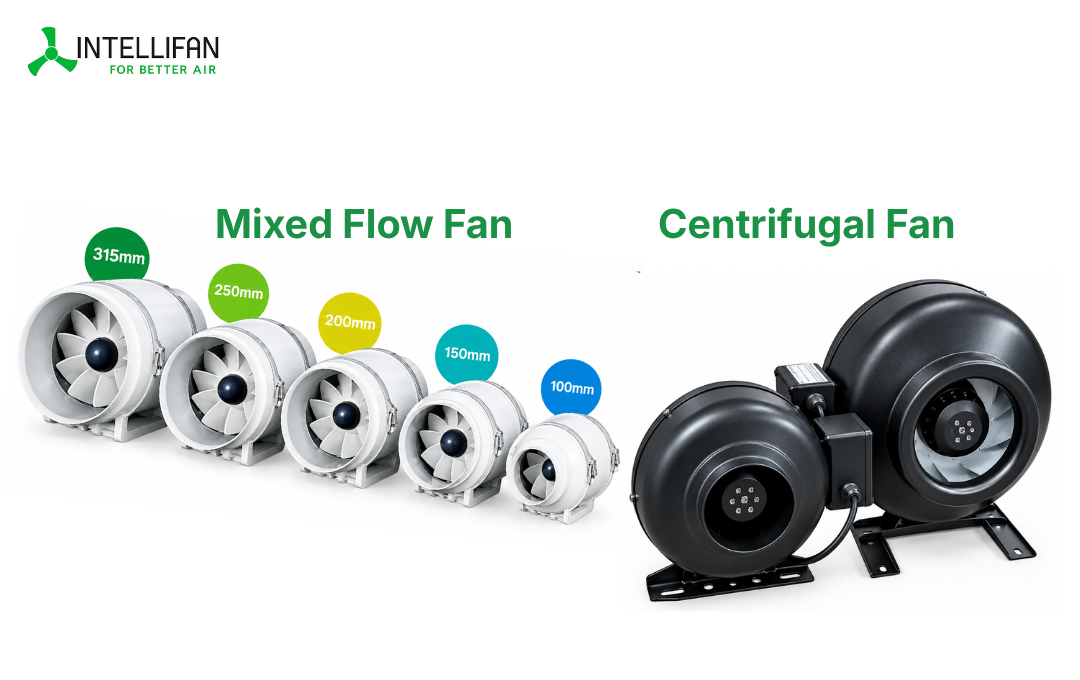
Inline Duct Fan for School
Engineered to move fresh or extract stale air through long corridor runs, false ceilings, and filtration systems while maintaining stable static pressure and ultra-low noise levels.
Available Options:
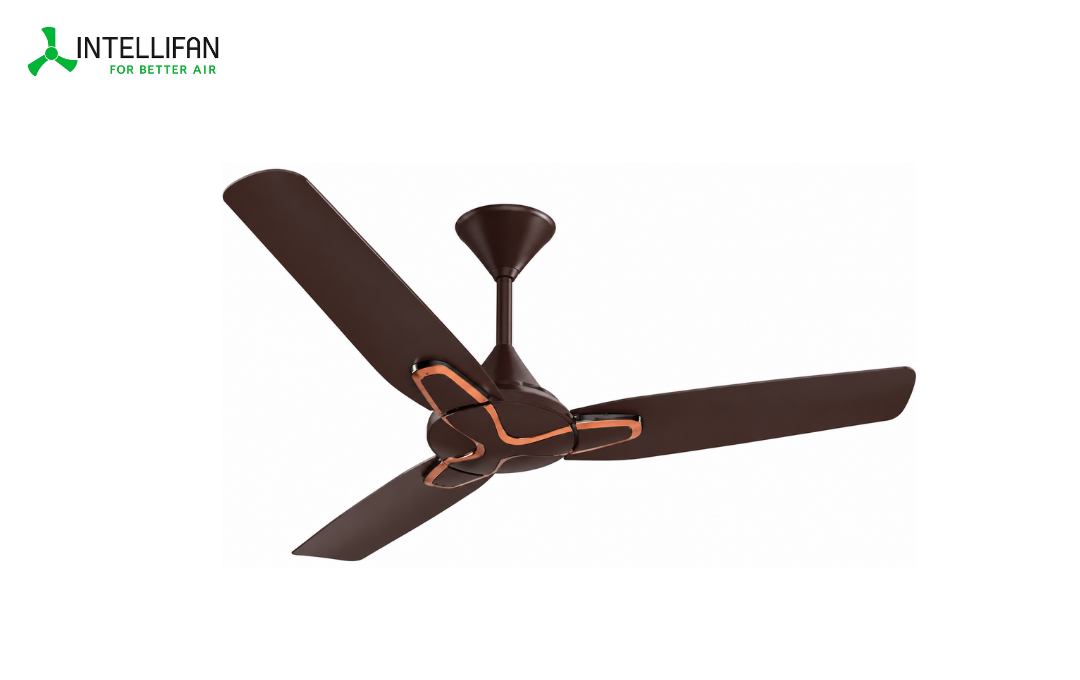
BLDC Ceiling Fan for School
Energy-efficient BLDC ceiling fans provide quiet, comfortable air movement across classrooms, libraries, and staff rooms, combining high air delivery with substantial energy savings.
Key Benefits:
- Whisper-quiet classroom operation
- Up to 60% energy savings
- Durable build and reliable performance
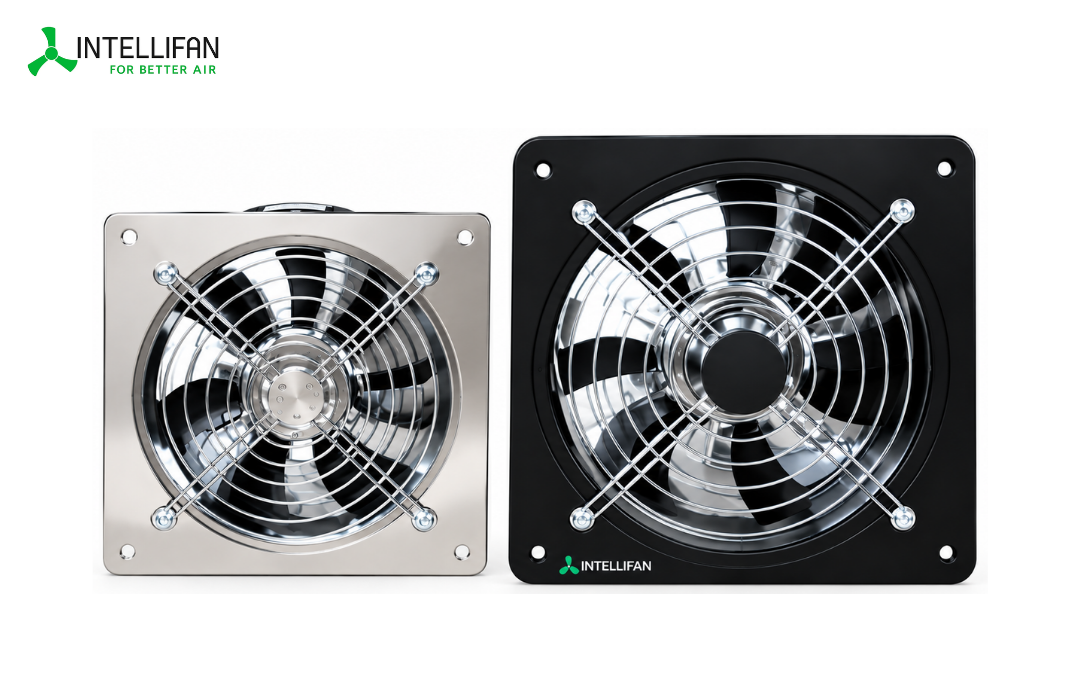
Exhaust Fan for School
Removes humidity, chemical fumes, steam, and odors from school washrooms, chemistry laboratories, school canteens, and indoor sports facilities quickly and efficiently.
Key Benefits:
- Effective lab fume & moisture extraction
- Odor control for school restrooms
- Maintains required negative pressure

Indoor Air Quality Monitor for School
Real-time tracking of CO₂, PM2.5, humidity, and temperature parameters across classrooms and auditoriums to ensure indoor environmental quality meets high educational safety standards.
Key Benefits:
- Continuous CO₂ & PM2.5 tracking
- Real-time indoor air quality indicators
- Supports automated ventilation control
Integrating the Complete INTELLIFAN Product Range in Schools
An effective educational ventilation layout relies on multiple coordinated technologies working together to handle fresh air, CO₂ dilution, thermal comfort, and extraction across diverse school zones.
Fresh Air Systems & Pre-Filtration
Supplies outdoor air directly into classrooms and lecture halls. Multi-stage filtration modules capture coarse dust and fine particulate matter (PM2.5) before air enters occupied student spaces.
Energy Recovery Ventilators (ERV)
Essential for continuous ventilation in climate-controlled school buildings. An Energy Recovery Ventilator transfers heat and humidity between fresh intake air and conditioned exhaust air, minimizing the cooling and heating burden on the institution's HVAC infrastructure.
Inline Duct Fans (Mixed Flow & Centrifugal)
Compact, high-static Inline Duct Fans serve branch ducting, supply grilles, and exhaust risers. Mixed Flow Inline Fans provide low-noise, high-flow air delivery for acoustic-sensitive classrooms and libraries, while Centrifugal Inline Fans overcome higher static resistance in extended duct runs.
Dedicated Exhaust Fans
Critical for moisture and chemical fume control. Heavy-duty Exhaust Fans and Ceiling Exhaust Fans ensure continuous negative pressure in school washrooms, chemistry laboratories, and cafeterias to prevent fumes and humidity from spreading.
BLDC Ceiling Fans
Energy-efficient BLDC Ceiling Fans provide quiet, reliable air circulation across classrooms, activity halls, and staff rooms, enhancing occupant comfort while lowering operational electricity expenses.
Indoor Air Quality (IAQ) Monitors
IAQ monitors provide continuous digital readings of carbon dioxide (CO₂), fine particulate matter (PM2.5), relative humidity, and temperature. These data points allow school facility managers to verify air exchange rates and maintain a healthy learning environment.
Fresh Air Ventilation for Schools: Why Every Classroom Needs It
School ventilation planning helps facility teams manage indoor environmental conditions while accounting for the distinct requirements of students, teachers, laboratory staff, and administration.
1. Enhancing Student Focus & Cognitive Performance
Proper outdoor-air supply and continuous CO₂ dilution prevent drowsiness, headaches, and lethargy, directly supporting student concentration and academic performance in classrooms.
2. Meeting Zone-Specific Requirements
A standard classroom does not have the same ventilation requirements as a chemistry laboratory, computer lab, cafeteria, or indoor sports gymnasium. Each zone requires an equipment configuration tailored to its occupancy and pollutant loads.
3. Controlling Airflow Direction & Pressure
School facilities require planned directional airflow—such as negative pressure in science labs and washrooms to contain chemical fumes and odors, and positive pressure in general corridors.
4. Integrating Ventilation with Existing HVAC
Ventilation equipment must operate seamlessly alongside air conditioning units, fan coil units (FCUs), and heating systems to maintain balanced indoor conditions without excessive energy consumption.
5. Supporting Maintenance and Longevity
Accessible ductwork, serviceable fans, scheduled filter replacement, and continuous IAQ tracking ensure ventilation systems perform reliably over long operating lifespans in demanding educational environments.
How to Choose the Right School Ventilation System
School ventilation equipment selection should begin with the intended zone application and the technical requirements of the building's infrastructure.
Identify Zone & Function
Specify whether the area is a classroom, lecture hall, science lab, library, cafeteria, or restroom to determine applicable air change and ventilation criteria.
Calculate Airflow Rates (CFM / CMH)
Determine required fresh-air supply, total air exchange rates, and exhaust air volumes based on room volume, student occupancy, and educational standards.
Determine Equipment Mix
Select the right combination of fresh air units, ERVs for energy conservation, inline fans for ducted delivery, dedicated exhaust fans, and BLDC ceiling fans for classrooms.
Assess Static Pressure & Ductwork
Review duct routing, bends, diffusers, and filter resistances to select inline fans and ventilation equipment capable of delivering target airflow under real operating static pressure.
Confirm HVAC & Controls Compatibility
Ensure chosen ventilation equipment coordinates with air conditioning units, thermostats, building management systems, and real-time IAQ sensors.
Plan Maintenance & Commissioning
Ensure easy service access for motor inspection and filter changes, followed by air balancing and sensor calibration to verify designed air delivery.
School Ventilation Standards and Technical Requirements in India
School ventilation design should be based on the technical requirements applicable to the educational institution, its operational classification, and the individual spaces being served.
The project team should identify and verify the relevant provisions of:
- Applicable National Building Code (NBC) educational building and HVAC guidelines.
- State education department norms and municipal health licensing regulations for school canteens.
- Local fire safety, smoke extraction, and laboratory safety codes.
- Relevant requirements for classroom fresh air changes, CO₂ dilution, and filtration.
- Applicable commissioning, testing, air balancing, and acoustic performance standards.
Why Consider INTELLIFAN for School Ventilation Requirements?
INTELLIFAN, with the brand positioning “For Better Air,” focuses on the complete spectrum of air movement, fresh-air intake, heat recovery, ducted ventilation, and indoor air quality monitoring for educational projects.
School developments require more than a single fan category. INTELLIFAN provides an integrated product range comprising Fresh Air Ventilation Systems, Energy Recovery Ventilators (ERV), Inline Duct Fans, high-performance Exhaust Fans, BLDC Ceiling Fans, and precision IAQ monitors.
This comprehensive portfolio enables school administrators, architects, consultants, and MEP contractors to configure balanced, application-specific ventilation systems tailored to each classroom, lab, and common area's layout, static pressure, and air exchange requirements.
Frequently Asked Questions About School Ventilation Systems
What is the best ventilation system for a school?
There is no single ventilation system suitable for every school zone. The appropriate solution depends on the room's function, student occupancy, required airflow, CO₂ dilution, filtration, and existing HVAC arrangement. A combination of Fresh Air Ventilation Systems, ERVs, Inline Duct Fans, and dedicated Exhaust Fans is commonly evaluated based on the application.
How do Energy Recovery Ventilators (ERVs) help school HVAC systems?
Classrooms require continuous outdoor air exchange to manage CO₂ levels and maintain freshness. An Energy Recovery Ventilator pre-cools and dehumidifies incoming fresh air in summer (or pre-heats in winter) using energy recovered from exhaust air, lowering HVAC operating costs and helping manage indoor humidity.
Which ventilation products are suitable for school classrooms and libraries?
Classrooms and libraries require ventilation arrangements that meet outdoor-air supply, filtration, quiet air distribution, and environmental comfort requirements. A Fresh Air Ventilation System or ERV paired with low-noise Inline Duct Fans and diffusers is typically evaluated to maintain proper CO₂ dilution and student comfort.
Why are dedicated exhaust fans necessary in school laboratories and washrooms?
Dedicated Exhaust Fans ensure continuous negative pressure and rapid extraction of chemical fumes from chemistry labs, moisture from washrooms, and cooking steam from cafeterias, preventing pollutants from spreading into school hallways and classrooms.
How can I request a school ventilation assessment from INTELLIFAN?
Prepare your school location, classroom count, floor layouts, lab dimensions, student occupancy details, and existing HVAC specifications. Submit your requirements to INTELLIFAN to discuss suitable product configurations and engineering evaluations for your school project.
Request a School Ventilation System
Planning a school ventilation system requires a comprehensive understanding of the building layout, classrooms, laboratories, public zones, and operating conditions.
Direct Consultation Form
Submit your project requirements for quick sizing and product assistance:
